Logistics
Seven Ways to Cut Packaging and Shipping Cost Without Cheapening Your Box
Right-sizing, board optimisation, flat-pack conversion and five other levers, with the typical saving from each.
Packaging Engineering Team7 min read
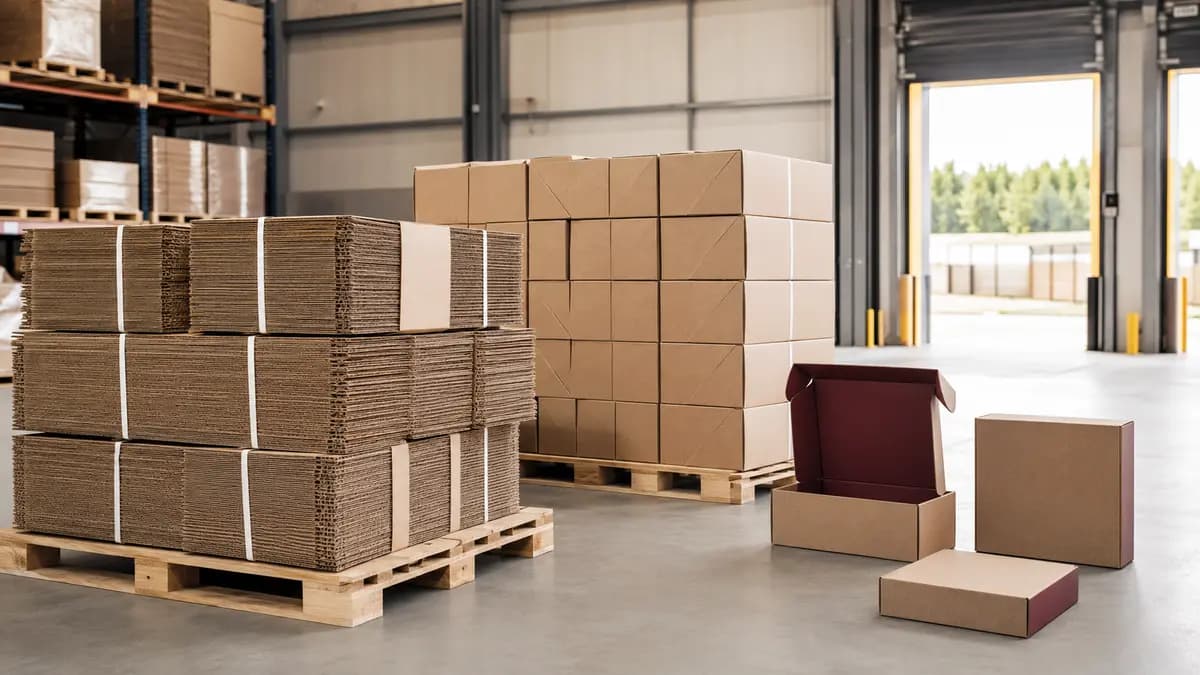
Cutting packaging cost usually gets framed as buying a cheaper box. That is the least effective lever available, and the one most likely to raise damage rates.
These seven changes reduce landed cost while holding or improving quality. The percentages are ranges we have measured across customer programmes, not projections.
1–3: Structural changes
The largest savings come from changing what you ship, not what you pay per box.
- Right-size the box to the actual product envelope — typically 10–25% off per-parcel freight through lower dimensional weight.
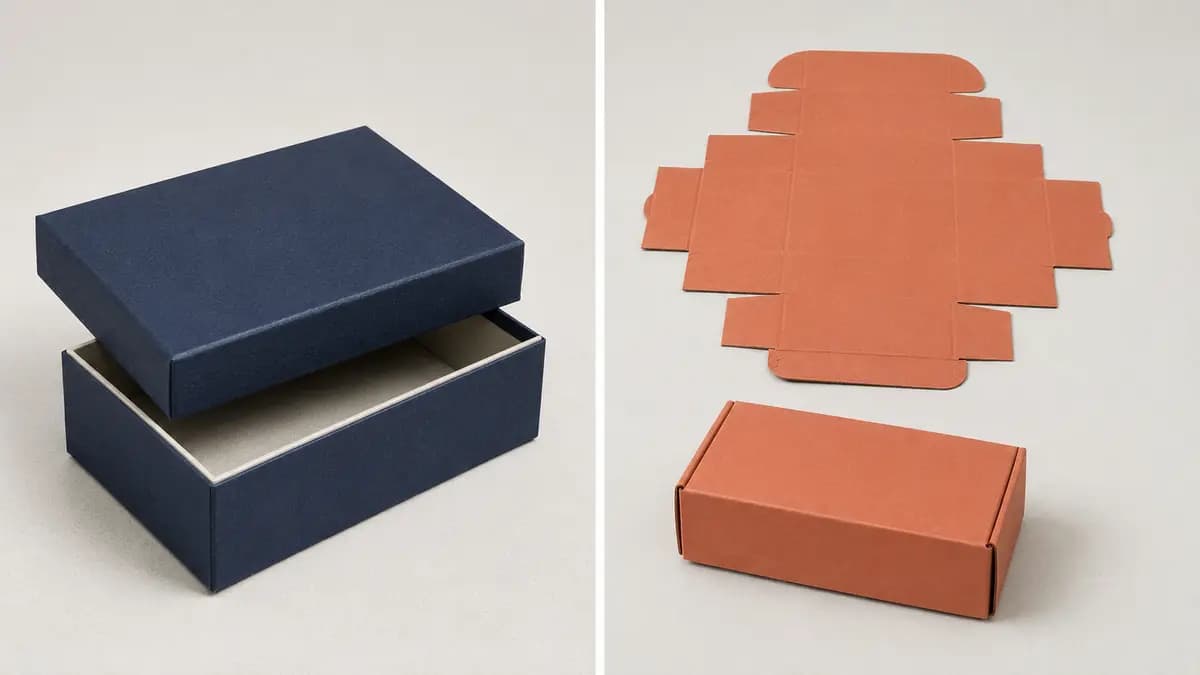
- Convert set-up rigid boxes to foldable magnetic construction — typically 50–70% off inbound ocean freight and warehouse footprint.
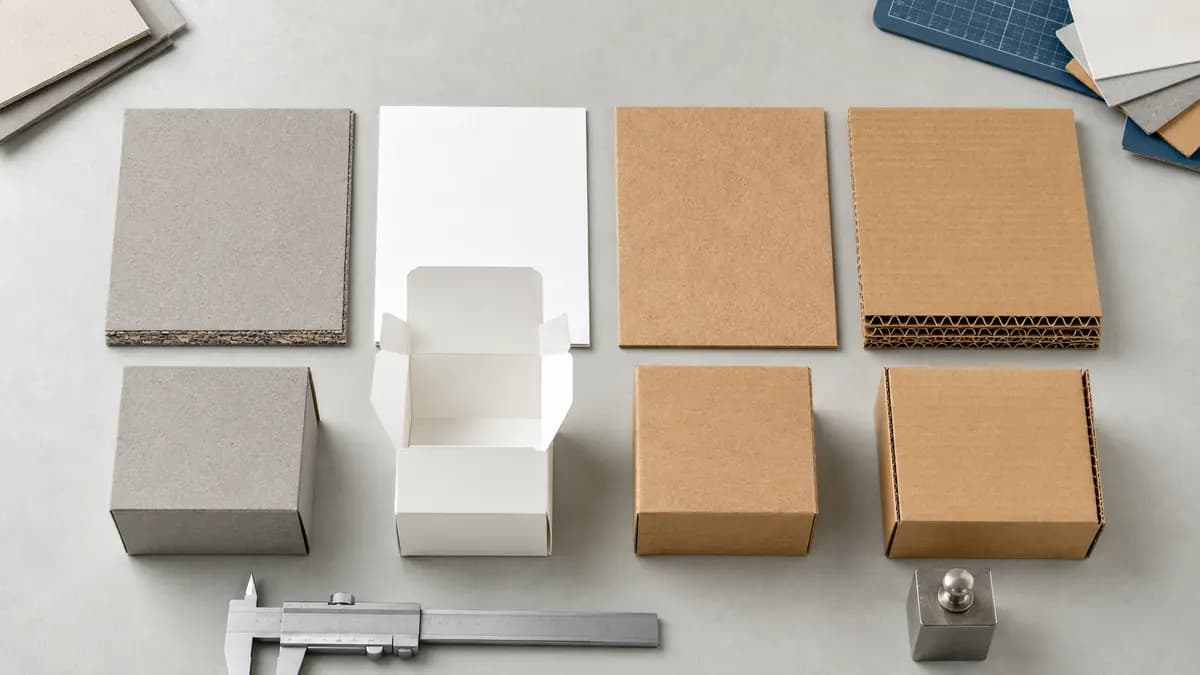
- Optimise board grade against real stack tests rather than defaulting to the heaviest option — typically 8–15% off material cost.
4–5: Print and tooling changes
Artwork decisions carry cost long after the design is signed off.
- Share one structure across a product family and vary only the printed sleeve — removes repeat tooling on every variant.
- Reduce spot colours to what the brand actually requires; each additional Pantone is a plate, a wash-up and a make-ready on every run.
6–7: Ordering behaviour
How you order affects price as much as what you order.
- Consolidate annual volume into scheduled call-offs against one production run rather than repeated small orders — typically 12–20% off unit cost.
- Book production outside the Q3 peak where your season allows; peak-season surcharges and expedited freight regularly add 15% or more.
What not to cut
Do not economise on the insert. Insert failures cause the overwhelming majority of transit damage, and a single damage claim generally costs more than the insert saving across the entire order.
Do not remove pre-production sampling. Approving artwork on screen instead of on a physical proof is how colour disputes turn into rejected shipments.